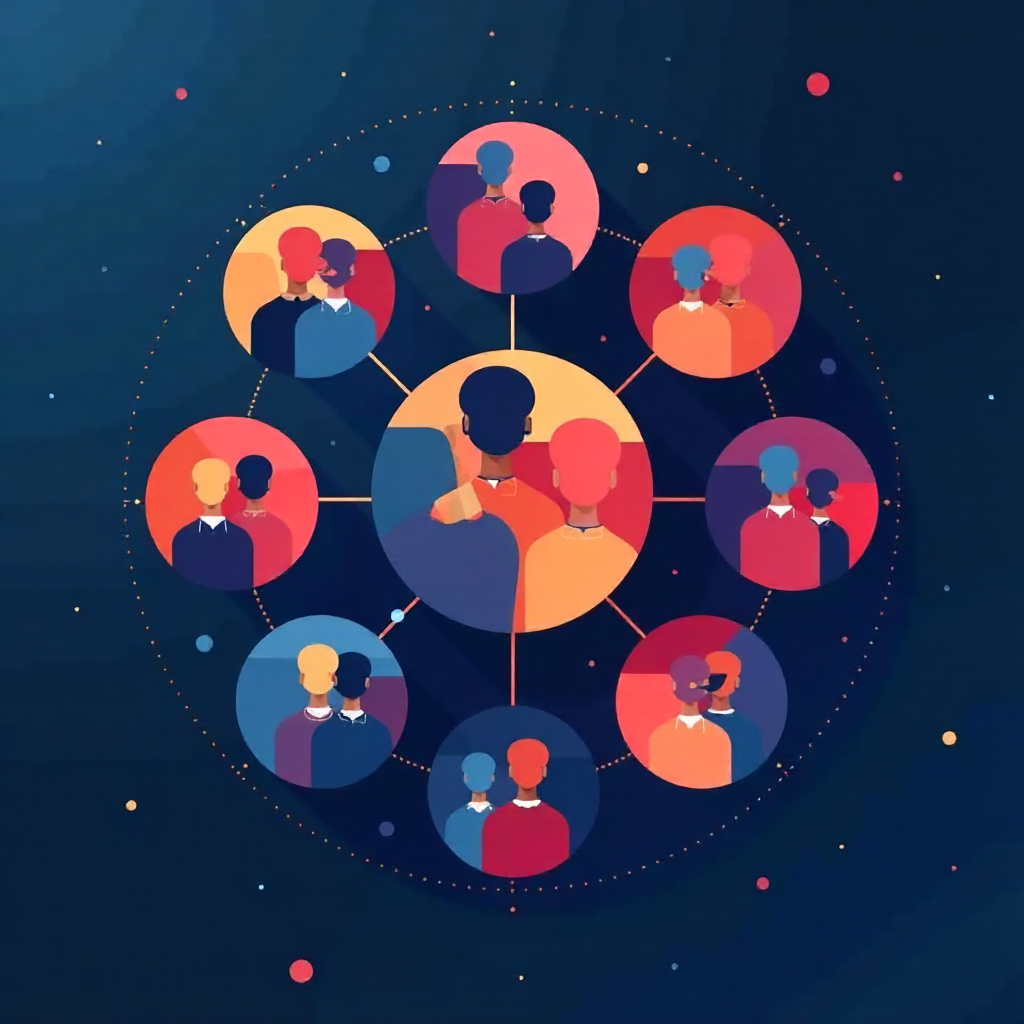

The Psychology Behind Effective Networking: Building Genuine Connections
Understanding the Psychology of Networking
The psychology of networking centers on how social psychology principles explain why people form connections and what drives them to maintain those bonds.
At its core, networking is about more than exchanging business cards; it's about creating meaningful interactions rooted in reciprocity, rapport, and shared understanding. Social psychology helps us understand how people perceive others, form impressions, and decide who to trust. Concepts like homophily (the tendency to bond with similar others) and in-group favoritism guide who we gravitate toward, while cognitive heuristics simplify social judgments.
By understanding these psychological patterns, networkers can foster connections that feel natural and mutually beneficial. This approach contrasts sharply with superficial or purely transactional networking.
The Role of Emotional Intelligence in Building Connections
Emotional intelligence (EI) significantly enhances networking by enabling self-awareness and empathy, which are critical for understanding and responding to others authentically.
EI involves recognizing your own emotions and those of others and using this awareness to communicate effectively and build trust. For example, someone with high empathy can read subtle cues from nonverbal communication—such as facial expressions or body language—to gauge interest or discomfort, adjusting their approach accordingly.
This sensitivity leads to stronger rapport, making interactions more genuine and memorable. Moreover, self-regulation within EI helps manage social anxiety or impatience, which often hinder networking success. Cultivating emotional intelligence helps transform casual contacts into meaningful connections where both parties feel understood and valued.
Trust as the Foundation of Genuine Relationships
Trust is the cornerstone of all genuine relationships and pivotal in effective networking. Without trust, connections remain shallow and fleeting.
Trust develops through consistent, honest interactions over time, reinforced by mutual vulnerability and reliability. When people perceive you as trustworthy, they are more willing to share information, offer support, and engage authentically. Factors like transparency, active listening, and displaying integrity contribute to trust-building.
Networking environments focused on trust promote a culture of reciprocity where both parties seek to add value. However, trust is fragile—breaking it can end valuable relationships prematurely. Therefore, nurturing trust requires conscious effort and emotional intelligence to stay attuned to others' needs and concerns.
Overcoming Psychological Barriers to Networking
The main psychological barriers to effective networking include fear of rejection, social anxiety, and cognitive biases that distort perceptions of others and oneself.
Many avoid networking because they fear appearing awkward or intrusive, or because they underestimate their own likability—these fears often stem from negative self-talk. Cognitive biases like confirmation bias may cause people to misinterpret neutral signals as rejection, reinforcing withdrawal.
To overcome these barriers, consciously practicing active listening can shift focus from self-consciousness to genuine interest in others. Cognitive reframing—viewing networking as an opportunity to learn rather than a performance—also reduces anxiety.
Building a positive networking mindset involves embracing vulnerability, celebrating small wins, and recognizing that everyone has social fears to some extent. Gradual exposure and setting realistic goals improve confidence and ease in networking over time.
Practical Strategies for Building and Maintaining Genuine Connections
Effective networking relies on practical, psychology-based strategies that foster authentic and lasting relationships rather than one-off exchanges.
- Be present with active listening: Give full attention, ask open-ended questions, and reflect back what you hear to deepen connection.
- Leverage nonverbal communication: Use eye contact, open body language, and genuine smiles to build warmth and rapport.
- Practice reciprocity thoughtfully: Offer help or resources without immediate expectation of return, nurturing trust and goodwill.
- Follow up meaningfully: Refer to shared conversations, suggest next steps, and stay consistent to sustain momentum.
- Show empathy and authenticity: Share your story and vulnerabilities to invite openness and mutual understanding.
- Balance breadth and depth: While it's useful to meet many contacts, focus on deepening relationships selectively to foster community.
Implementing these tactics requires patience and emotional intelligence but results in networks that are far more resilient and valuable over time.
From Networking Events to Community Building
Moving beyond transactional networking means embracing community building, where relationships are nurtured within a shared purpose and ongoing engagement.
Community building emphasizes sustained interactions rather than isolated meetings. Psychological research shows that trust and connection deepen when people participate regularly in group activities, collaborate, and support each other’s growth.
Platforms or organizations that encourage open communication, shared goals, and mutual support create environments where networking transforms into meaningful social capital. This approach reinforces individual relationships while adding collective value that benefits all members.
Joining or cultivating communities based on aligned interests or professions not only facilitates networking but also promotes authentic belonging and long-term collaboration.
Frequently Asked Questions
How important is trust in professional networking?
Trust is essential for professional networking because it enables open communication, cooperation, and the exchange of valuable resources. Without trust, relationships remain superficial and less likely to yield meaningful opportunities or referrals.
What psychological traits make someone a good networker?
Key traits include high emotional intelligence, empathy, openness, authenticity, and a positive networking mindset that embraces vulnerability and genuine curiosity about others. These traits help create rapport and trust more naturally.
How can emotional intelligence improve networking outcomes?
Emotional intelligence improves networking by helping individuals read social cues, manage their own emotions, build rapport, and respond empathetically. This creates stronger, more authentic connections and reduces social anxiety.
What are effective ways to overcome networking anxiety?
Effective methods include cognitive reframing to view networking as learning, practicing active listening to shift focus outward, gradual exposure to social settings, preparation of conversation starters, and mindfulness techniques to manage nervousness.
How do cognitive biases affect networking perception?
Cognitive biases such as confirmation bias or negativity bias can cause people to misinterpret others’ reactions or undervalue their own contributions, leading to missed opportunities or withdrawal. Awareness of these biases helps mitigate their impact.